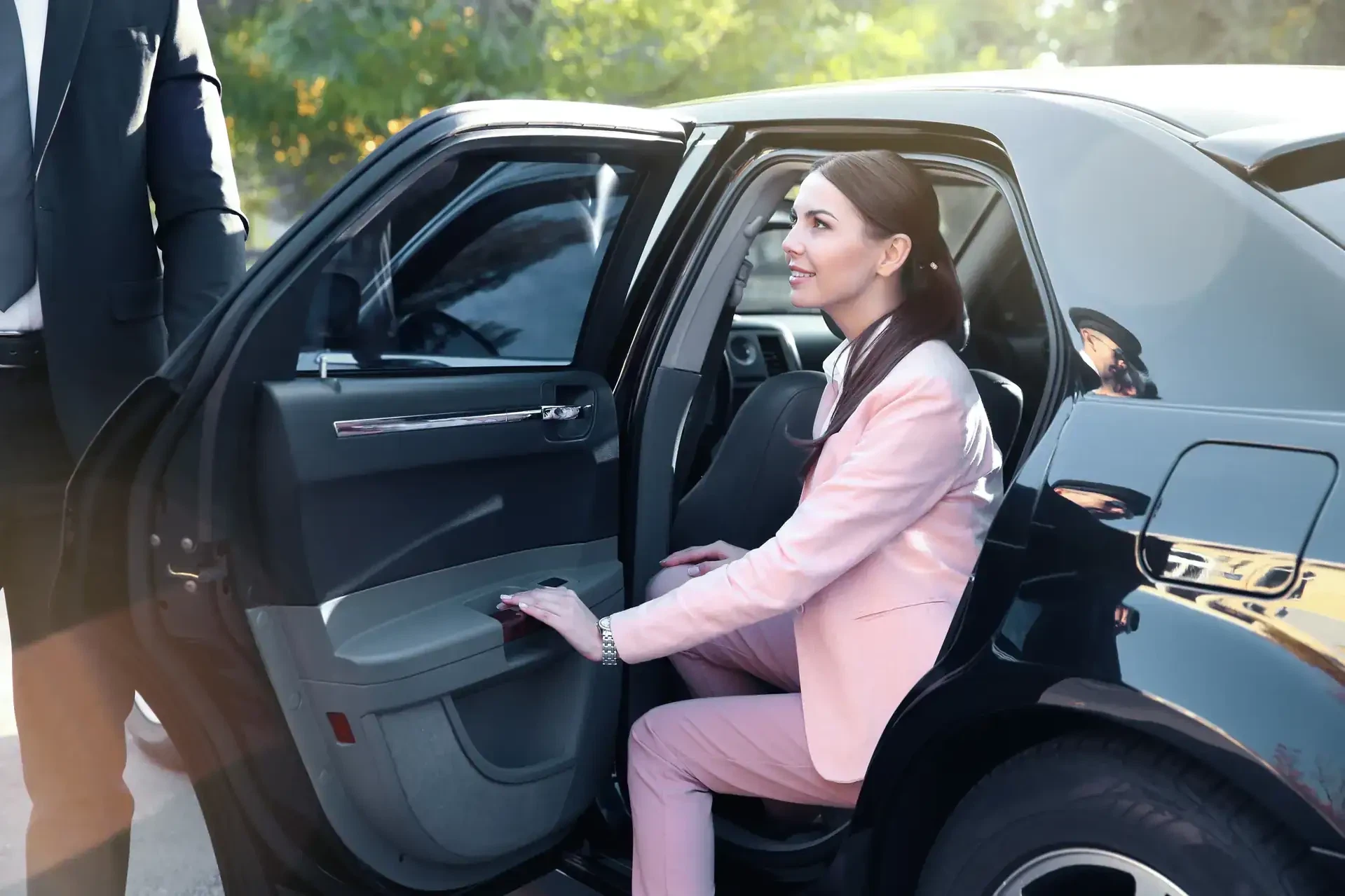
Not all car services are created equal. Professional standards, trained chauffeurs, and reliable fleets make the difference when your schedule matters.
Share:

Summary:
You’ve probably noticed it by now. The ride you booked didn’t show up. Or the driver canceled five minutes before pickup. Or you paid triple the normal rate because of surge pricing during a rainstorm.
When your flight lands at 11 PM or your meeting starts at 8 AM sharp, transportation isn’t just about getting from point A to point B. It’s about knowing someone will actually be there. On time. Every time. With a vehicle that doesn’t smell like fast food and a driver who knows where they’re going.
That’s what separates professional car service from the app-based alternative. And in 2026, those differences matter more than ever. Let’s talk about what professionalism actually means when you’re trusting someone with your schedule, your safety, and your peace of mind.
Professional car service means more than a clean vehicle and a polite driver. It’s a complete system built around reliability, safety, and accountability.
Licensed chauffeurs undergo background checks that include criminal history verification, driving record reviews, and drug testing. These aren’t optional boxes to check—they’re requirements that professional companies enforce before anyone gets behind the wheel. Compare that to rideshare platforms where screening varies and drivers remain independent contractors with minimal oversight.
The vehicles matter too. Professional fleets consist of late-model luxury sedans, SUVs, and vans maintained to commercial standards. Regular inspections, scheduled maintenance, and strict cleanliness protocols ensure every vehicle meets the same high bar. You’re not gambling on whether your ride will be a 2015 sedan with questionable upkeep or a newer model that’s actually comfortable.
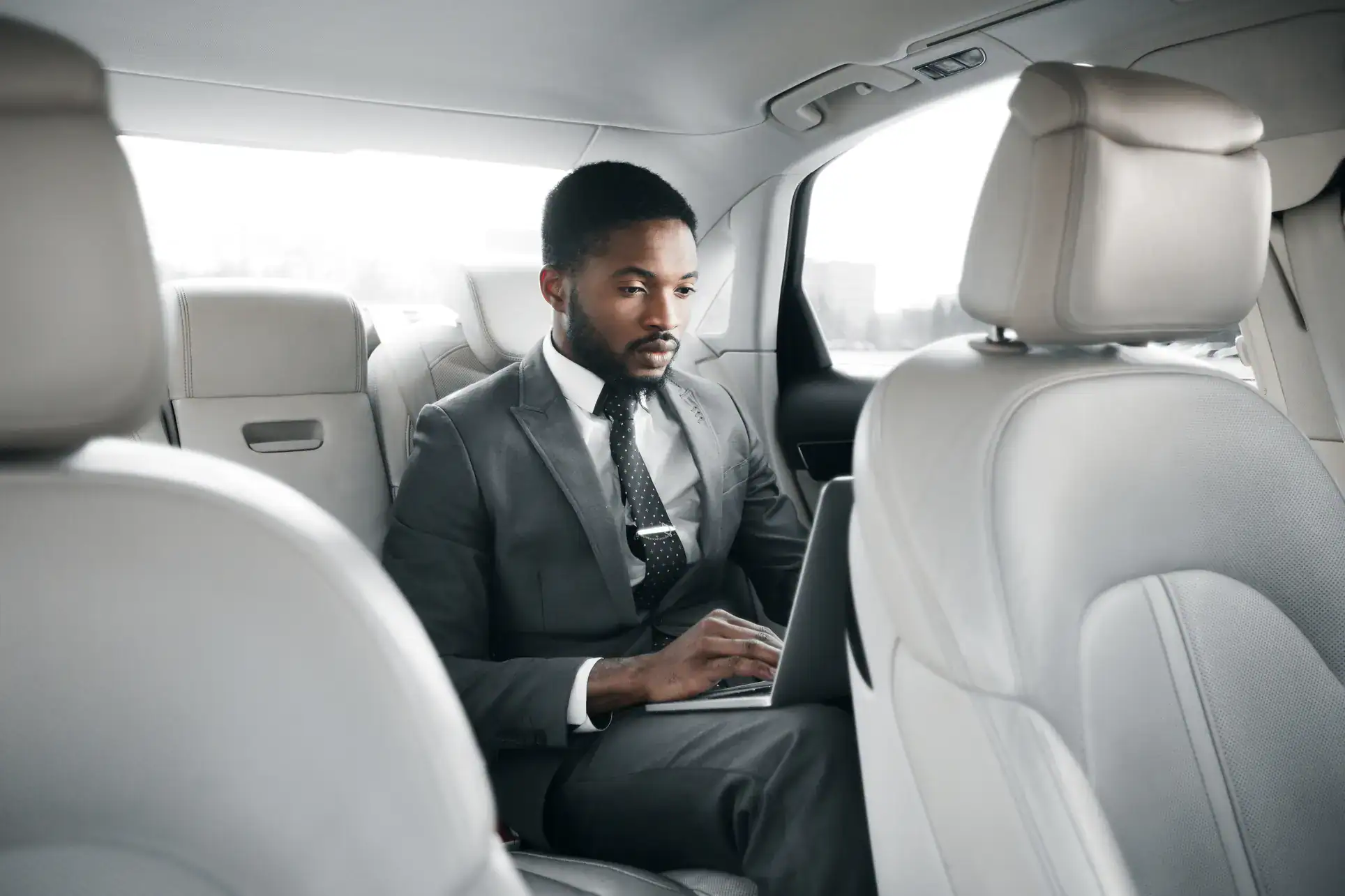
The person driving you isn’t just someone with a valid license and a smartphone. Professional chauffeurs complete extensive training programs before they ever pick up a passenger.
Most professional services require 40 hours of training covering defensive driving techniques, customer service standards, and local route knowledge. Chauffeurs learn how to handle adverse weather, navigate traffic efficiently, and maintain passenger privacy during confidential calls. They’re trained to assist with luggage, understand airport procedures, and adjust to schedule changes without drama.
Rideshare drivers? They download an app, pass a basic background check, and start accepting rides. No formal training. No defensive driving certification. No ongoing education requirements. The experience you get depends entirely on luck—whether your driver has been doing this for three years or three days.
Professional chauffeurs also maintain commercial licenses where required and adhere to stricter insurance standards. If something goes wrong, you’re protected by comprehensive coverage that far exceeds the basic policies rideshare companies provide. Many professional services carry $1 million or more in liability coverage compared to the $125,000 to $1 million range typical of rideshare platforms.
The accountability structure differs fundamentally. Professional chauffeurs are employees of established companies with reputations to protect. They answer to management, undergo performance reviews, and face real consequences for poor service. Rideshare drivers are independent contractors with minimal accountability beyond star ratings that passengers often hesitate to use honestly.
Experience levels tell another story. Professional chauffeurs average 10 to 14 years with the same company, building expertise in routes, customer preferences, and service standards. Rideshare drivers turn over constantly, with many treating it as temporary side income rather than a career requiring mastery.
When you’re heading to an important meeting or catching a flight you can’t miss, these differences aren’t trivial. They’re the gap between hoping your ride works out and knowing it will.
The vehicle picking you up says something about the service you’re about to receive. Professional car services maintain fleets where every vehicle meets strict age, condition, and equipment standards.
Most professional fleets consist of vehicles within three model years. That’s not arbitrary—newer vehicles offer better safety features, more reliable performance, and lower breakdown risk. They’re equipped with modern amenities like Wi-Fi, multiple charging ports, climate control that actually works, and sound insulation that lets you take calls without road noise drowning out your voice.
These vehicles undergo regular maintenance on fixed schedules, not just when something breaks. Oil changes, brake inspections, tire rotations, and detailed cleaning happen whether the vehicle “needs” it or not. Professional services often maintain in-house ASE-certified mechanics or use authorized dealership service centers to ensure work meets manufacturer specifications.
Compare that to rideshare vehicles, which can be any age depending on local market rules. Some cities allow vehicles up to 15 years old. Maintenance is left to individual drivers who may or may not prioritize it. You might get a pristine vehicle or one that’s overdue for basic service—there’s no way to know until the car arrives.
The difference becomes obvious when you’re trying to work during your ride. Professional vehicles offer consistent comfort—proper seat support, adequate legroom, smooth rides from well-maintained suspensions. Rideshare vehicles vary wildly. Sometimes you get lucky. Sometimes you spend 45 minutes in an uncomfortable seat with a suspension that makes every pothole feel like a crater.
Safety equipment matters too. Professional vehicles are inspected regularly for functioning airbags, properly maintained brakes, good tire tread, and operational safety systems. These aren’t suggestions—they’re requirements that get vehicles pulled from service if they don’t comply.
Insurance coverage extends to the vehicles themselves. Professional services carry comprehensive commercial auto insurance covering property damage, liability, and passenger protection at levels that exceed personal auto policies. When you’re in a professional vehicle, you’re protected by coverage designed for commercial passenger transport, not someone’s personal car insurance with a rideshare rider attached.
For business travelers especially, vehicle quality affects productivity. You can’t prepare for a presentation in a cramped, noisy vehicle. You can’t take a confidential call when road noise makes you shout. Professional vehicles are designed to be mobile offices when needed—quiet, comfortable, and equipped for work.
Want live answers?
Connect with a Jersey Car & Limo expert for fast, friendly support.
Reliability means your ride shows up when scheduled, not five minutes late or not at all. Professional car services build entire operations around this basic promise that rideshare apps can’t consistently deliver.
When you book professional car service, you’re making a reservation with a company that assigns a specific driver to your trip. That driver knows your pickup time, your destination, and any special requirements days in advance. They plan their schedule around your needs. There’s no waiting to see if a driver accepts your request or hoping surge pricing doesn’t triple your cost.
The dispatch systems professional services use monitor every trip in real time. If your flight is delayed, the system tracks it automatically and adjusts your pickup time without you having to call or text. If traffic is heavier than expected, dispatch reroutes drivers or alerts you about timing. You’re not left wondering what’s happening—the system handles it.

Flight tracking sounds simple until you experience how it actually works with professional services versus hoping your rideshare driver checks flight status.
Professional car services integrate flight tracking directly into their dispatch systems. When you book airport transportation, you provide your flight number. The system monitors that specific flight from departure through landing, automatically adjusting pickup times based on actual arrival rather than scheduled arrival.
This matters more than you might realize. Newark Airport, for example, has experienced significant delays due to air traffic control shortages and operational challenges. Delays stretching two to three hours aren’t uncommon during peak periods. With professional service, your driver adjusts automatically. With rideshare, you’re scrambling to request a ride after you land, competing with hundreds of other passengers doing the same thing, often facing surge pricing and longer wait times.
Professional services also build in appropriate wait time for airport pickups. International flights need more buffer than domestic. Evening flights often take longer to clear customs than morning arrivals. Professional dispatchers understand these patterns and schedule accordingly. Your chauffeur waits at the designated pickup location, monitors your progress, and adjusts as needed.
The meet-and-greet service many professional companies offer takes this further. Your chauffeur meets you inside the terminal at baggage claim, helps with luggage, and escorts you to the vehicle. No wandering around looking for your ride. No standing outside in bad weather hoping your driver finds the right spot. No confusion about which rideshare lot to walk to while juggling bags.
When flights arrive early—which happens less often but does occur—professional services adapt to that too. The driver receives notification and moves up the pickup time. You’re not stuck waiting 30 minutes for your scheduled pickup when you could already be on your way.
This level of coordination requires infrastructure that rideshare apps simply don’t provide. Rideshare drivers are independent contractors managing their own schedules. They’re not monitoring your flight. They’re not building in appropriate wait time. They’re accepting your ride request when it comes through and hoping you’re ready when they arrive.
For business travelers especially, this difference eliminates a major stress point. You know someone will be there when you land, regardless of delays, early arrivals, or weather issues. Your ground transportation is handled. You can focus on your actual work instead of managing logistics while exhausted from travel.
Surge pricing is the rideshare industry’s way of managing supply and demand. It’s also one of the most frustrating aspects of app-based transportation for anyone who needs to travel during peak times.
Professional car services operate on fixed pricing. You receive a quote when you book, and that’s what you pay. The rate doesn’t change because it’s raining. It doesn’t triple during rush hour. It doesn’t spike because there’s a concert letting out or a flight delay creating sudden demand.
This pricing structure works because professional services plan capacity differently than rideshare platforms. Instead of relying on independent contractors to decide when they want to drive, professional companies employ full-time chauffeurs and maintain dedicated fleets. They schedule drivers based on expected demand, maintain backup capacity, and honor the rates they quote regardless of external conditions.
The transparency extends beyond the base rate. Professional services include tolls, taxes, and standard fees in their quoted price. You’re not surprised by add-ons at the end of your trip. If you request additional stops or extend your route, you’ll know the cost adjustment upfront. No surprises. No hidden fees. No surge multipliers that make a $40 ride cost $120.
For corporate travel managers, this predictability matters enormously. You can budget transportation costs accurately. You can provide employees with reliable service without worrying about expense reports showing wildly different amounts for the same route. You can include ground transportation in client billing without unexpected overages.
The value proposition shifts during high-demand periods. When rideshare prices surge 2x or 3x, professional car service rates remain stable. What seemed like a premium option suddenly becomes cost-competitive or even cheaper—while delivering far superior service, reliability, and professionalism.
Major events illustrate this clearly. The 2026 FIFA World Cup will bring unprecedented transportation demand to host cities including the New York/New Jersey area where the final will be held at MetLife Stadium. Rideshare prices during these events will skyrocket. Professional services with advance bookings will maintain their quoted rates because they’ve planned capacity months ahead.
Business travelers who fly regularly understand this math. Paying a consistent rate for reliable service costs less in the long run than gambling on variable rideshare pricing and dealing with the time costs of cancellations, delays, and poor service. Your time has value. Professional service protects both your schedule and your budget.
Professional car service isn’t about luxury for its own sake. It’s about reliability when your schedule matters, safety you can count on, and service standards that don’t vary based on which driver accepts your request.
The differences between professional service and rideshare apps are real and measurable. Trained chauffeurs versus part-time drivers. Maintained fleets versus personal vehicles. Fixed pricing versus surge charges. Accountability versus hoping your star rating makes a difference.
For airport transportation, business travel, or any situation where being late isn’t an option, professional service delivers what rideshare apps promise but can’t consistently provide. You’re not paying extra for the same thing—you’re paying for a fundamentally different level of service.
When you’re ready for transportation you can actually count on, we provide professional car service throughout Mercer County, NJ. We show up on time, every time, with licensed chauffeurs and maintained vehicles that meet the standards you deserve.
Article details:
Share:
Continue learning: