
Most people don't know what professional chauffeur certification actually involves. Background checks, state licensing, commercial training—here's what separates real professionals from rideshare drivers.
Share:
Summary:
You’re not just looking for someone to drive you somewhere. You need a professional who shows up on time, knows the routes, handles your schedule with care, and operates under actual accountability. The difference between a professional chauffeur and someone who downloaded an app last month matters more than most people realize—especially when you’re catching a flight you can’t miss, heading to a meeting that determines whether you close the deal, or coordinating transportation for a wedding where timing issues cascade into disasters. Understanding what makes chauffeur service truly professional helps you make better decisions about who you trust with your time and safety.
We operate under state-mandated certification that rideshare drivers don’t face. The NJ Motor Vehicle Commission requires limousine drivers to complete fingerprint background checks processed through state criminal verification. This isn’t a quick online form—it’s a live scan appointment scheduled through IdentoGo with fees paid upfront and results reviewed by state authorities before anyone gets certified.
The certification process exists because professional chauffeurs transport passengers for hire under commercial standards, not personal vehicle exceptions. Your driver needs documented proof they’re qualified to operate commercially, that their background clears state standards, and that their employer has submitted proper certification applications to the MVC.
When something goes wrong, there’s a licensed company responsible with verifiable insurance and state oversight. Not just an independent contractor using their personal vehicle and hoping their rideshare app’s insurance actually covers what just happened.

Background checks for professional chauffeurs go deeper than what most people assume. The screening reviews criminal history at the state level, confirms eligibility to work in passenger transportation, and evaluates driving records for violations and accident history. We don’t just run these checks once during hiring—we maintain ongoing monitoring to ensure our chauffeurs continue meeting standards throughout their employment.
The difference shows up in what gets flagged. A professional background check looks at patterns, not just isolated incidents. Multiple traffic violations over two years signal poor judgment that one clean year doesn’t erase. Gaps in employment history raise questions that need answers before anyone gets behind the wheel with passengers. Inconsistencies between what an applicant claims and what records show become immediate disqualifying factors.
Rideshare platforms run background checks too, but the depth and ongoing nature differ significantly. An independent contractor might pass an initial screening but face no ongoing oversight. They could rack up violations, develop substance issues, or engage in behavior that would get them fired from a professional service—and keep driving until something forces the platform to notice.
Drug testing adds another layer that rideshare doesn’t consistently enforce. Many professional services require random screening, not just pre-employment testing. This matters for passengers who need to know their driver is operating at full capacity, not impaired in ways that wouldn’t show up until reaction time becomes the difference between avoiding an accident and causing one.
The employment verification component often gets overlooked but catches problems before they become your problems. Professional services contact previous employers to confirm work history, check references, and verify that the chauffeur’s experience matches what they claimed. This catches resume padding and identifies drivers who left previous positions under circumstances that should concern anyone considering hiring them.
New Jersey’s certification process for limousine drivers creates verifiable documentation that you can actually check. Employers must first submit a Limousine Driver or Rental Car Chauffeur Employer Certification Application to the MVC. This isn’t optional paperwork that some companies complete and others skip—it’s required before any driver can legally operate for hire in New Jersey.
The fingerprinting requirement uses live scan technology, not ink cards that can be forged or manipulated. Drivers schedule appointments through IdentoGo, the state’s designated fingerprint vendor, pay fees at the time of service, and provide proper identification. The results feed directly into state criminal background databases, creating a verified record that the MVC uses to certify or deny the driver.
This process takes time because it’s thorough. It’s not same-day approval. The background check processing, MVC review, and certification letter issuance can span several weeks. We plan for this, maintaining adequate staffing so we’re not pressuring the MVC to rush approvals or putting uncertified drivers on the road while “waiting for paperwork.”
The certification stays with the driver, not the company. If a chauffeur works for multiple limousine services, they only need one MVC certification. But if they leave the industry and return later, they may need to repeat the entire process depending on how much time has elapsed and whether regulations have changed.
What this means for you as a passenger: when you book with a properly licensed service in New Jersey, every driver picking you up has cleared state-level criminal background verification. That’s not a marketing claim companies can fudge—it’s a legal requirement that the MVC enforces through the certification system, and companies that violate it face penalties that can shut them down.
Companies that skip this process or claim their drivers are “certified” without MVC documentation are operating illegally. This matters because your insurance protections, liability coverage, and legal recourse all depend on proper licensing. If an uncertified driver causes an accident, the insurance complications multiply quickly, and you’re often left holding consequences that proper licensing would have prevented.
Want live answers?
Connect with a Jersey Car & Limo expert for fast, friendly support.
Training separates professional chauffeurs from people who simply know how to drive without hitting things. Defensive driving programs teach risk prevention, situational awareness, and safe passenger handling. These aren’t optional courses that chauffeurs take if they feel like improving—we require completion before drivers start transporting passengers, and many professional services require periodic recertification to ensure skills stay current.
The curriculum covers scenarios that regular drivers never think about until they’re happening. How to handle a medical emergency when your passenger has a heart attack in the back seat. What to do when a passenger becomes aggressive, intoxicated, or refuses to exit the vehicle. How to navigate security protocols at airports and corporate facilities where showing up without proper credentials means your passenger misses their flight or meeting.
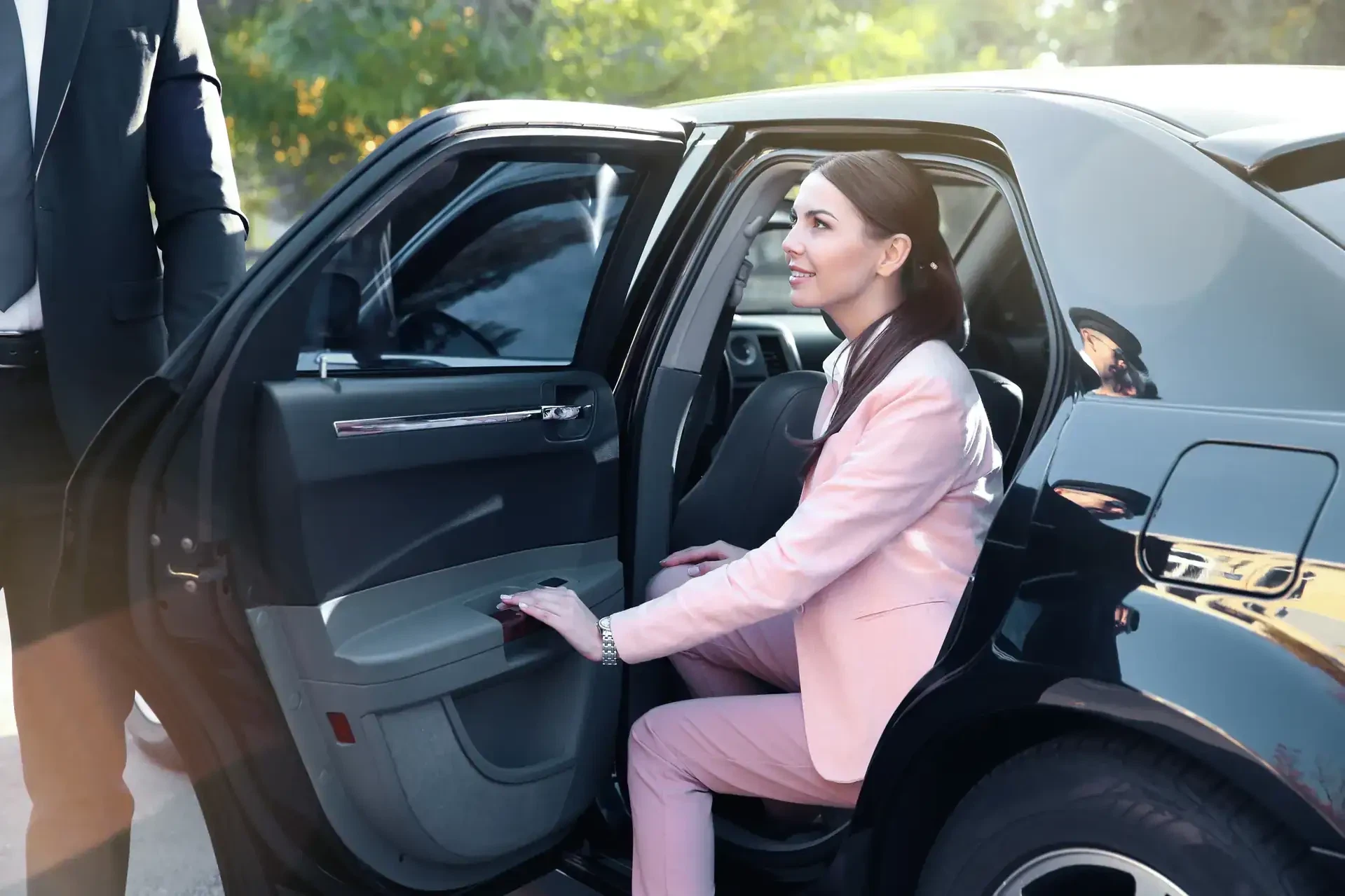
Customer service training matters as much as driving skill for chauffeur work. Drivers learn proper greeting protocols, door-opening techniques that don’t make passengers feel rushed or awkward, luggage assistance procedures that protect both the passenger’s belongings and the driver’s back, and appropriate conversation boundaries. The goal is creating an experience worth paying premium rates for, not just completing a trip without incident.

Many professional chauffeur services require commercial driver’s licenses, especially for larger vehicles like Mercedes Sprinters and executive vans. A CDL demands higher standards than a regular license—more extensive testing, medical certification requirements, and ongoing compliance that regular drivers never deal with.
The medical examination component often surprises people who assume driving is just driving. Professional drivers need to maintain their health and pass periodic medical exams that evaluate vision, hearing, and overall health status. This isn’t about discrimination—it’s about ensuring the person behind the wheel can safely operate a commercial vehicle for extended periods without health issues creating risk for passengers.
Some chauffeur positions require specific endorsements beyond the base CDL. Passenger endorsements, for instance, when transporting groups in vehicles designed for more than fifteen people. These require additional written tests covering passenger safety protocols, emergency evacuation procedures, and vehicle-specific regulations that don’t apply to smaller vehicles.
The testing process itself is more rigorous than what regular drivers face. CDL knowledge tests cover material that standard driver’s license exams don’t touch. Pre-trip vehicle inspections. Air brake systems and how to check them properly. Proper following distance calculations for commercial vehicles that weigh significantly more than passenger cars and need more stopping distance. Drivers need to demonstrate actual competence through skills testing, not just pass multiple-choice questions.
Professional chauffeurs also maintain clean driving records under stricter standards than regular drivers. A violation that might add two points to a regular license can trigger CDL disqualification proceedings. The consequences scale differently because the responsibility is greater—you’re transporting other people’s lives, not just your own.
Experience requirements add another filter that keeps inexperienced drivers out of professional roles. Many services won’t hire chauffeurs with less than two to three years of professional driving experience. They want drivers who’ve already developed the judgment and instincts that only come from thousands of hours behind the wheel, not people learning on the job with paying passengers.
The gap between professional chauffeurs and rideshare drivers isn’t subtle when you look at actual requirements. Rideshare platforms require a basic background check and a qualifying vehicle that’s less than fifteen years old with four doors. That’s essentially it. No commercial license. No defensive driving certification. No customer service training. No ongoing oversight beyond automated systems checking for patterns that might indicate problems.
Professional chauffeurs are employees of established companies with reputations to protect, physical locations you can visit, and management structures that enforce standards. They answer to supervisors, undergo performance reviews, and face real consequences for poor service that go beyond a bad star rating. Rideshare drivers are independent contractors who can log off whenever they want and face minimal accountability beyond ratings that may or may not affect their ability to keep driving.
The experience levels tell a stark story. Professional chauffeurs often work for the same company for ten to fourteen years, building expertise in routes, learning traffic patterns at different times of day, understanding customer preferences, and developing service standards that become second nature. Rideshare drivers turn over constantly, with many treating it as temporary side income they’ll quit as soon as something better comes along rather than a career requiring mastery.
Vehicle standards differ fundamentally in ways that affect your comfort and safety. Professional fleets consist of vehicles within three model years, maintained on strict schedules with documented inspections and repairs. Rideshare vehicles can be up to fifteen years old, maintained at the owner’s discretion with no standardized inspection protocols beyond what state registration requires for any vehicle.
Insurance coverage varies dramatically in ways most passengers don’t understand until something goes wrong. Professional services carry one million dollars or more in liability coverage that applies from the moment you book until you reach your destination. Rideshare platforms provide coverage that ranges from $125,000 to $1 million depending on whether the app is on, whether a passenger is in the vehicle, and exactly what phase of the trip you’re in when the accident happens. The gaps create risk that passengers often don’t realize they’re assuming until they’re dealing with insurance companies arguing about coverage.
The pricing structure reveals different business models with different incentives. Professional services quote fixed rates that don’t change based on demand, weather, or how many other people need rides at the same time. Rideshare apps use surge pricing algorithms that can multiply costs by two or three times during peak periods. When you’re trying to catch a 6 AM flight during Monday morning rush hour, that difference turns a $45 ride into a $120 surprise.
Professional chauffeur services operate under standards that exist to protect passengers and ensure consistent quality. NJ MVC certification, fingerprint background checks, defensive driving training, commercial licensing, and ongoing company accountability create a framework that rideshare platforms don’t replicate—and aren’t designed to replicate.
When you’re booking transportation for situations where timing matters, professionalism counts, and reliability is non-negotiable, these distinctions aren’t trivial details. They’re the difference between hoping your ride works out and knowing it will because there’s actual accountability behind the service.
We maintain these professional standards across every trip, from MVC-certified chauffeurs to fixed transparent pricing and 24/7 availability. Our service is built around what passengers actually need when they can’t afford transportation to be the variable that ruins everything else they planned.
Article details:
Share:
Continue learning: