Summer weddings in Mercer County mean juggling venues, timelines, and unpredictable weather. Here's how to plan transportation that actually works when it matters most.
Share:

Summary:
Your ceremony starts at 4 PM at The Boathouse at Mercer Lake. Photos at 5:30 PM at Grounds For Sculpture. Reception at 7 PM back at the boathouse. Your bridal party is getting ready at the Chauncey in Princeton. Out-of-town guests are scattered across three hotels.
You see the problem.
Summer weddings in Mercer County involve moving people between venues, on schedule, often in unpredictable weather. Transportation isn’t the exciting part of wedding planning, but it’s the part that can quietly derail everything else if it doesn’t work. This guide covers what you actually need to know about coordinating wedding transportation—the booking timeline, vendor coordination, weather backup plans, and how to build a schedule that holds up when your day depends on it.
Summer is peak wedding season in New Jersey. That means every other couple getting married in June, July, or August is competing for the same transportation providers. If you’re planning a summer 2026 wedding, the window to book is tighter than you think.
Industry standard says 6-9 months in advance for peak season. That’s not a suggestion—it’s what separates couples who get their preferred vehicles from couples who settle for what’s left. Specialty vehicles like vintage cars or larger shuttle buses can book 12 months out. If your wedding falls on a Saturday in June or coincides with prom season, you’re looking at even more competition for available vehicles.
The earlier you book, the more options you have. You get better vehicle selection, locked-in pricing before rates increase closer to your date, and one less thing to worry about while you’re coordinating everything else. Waiting until three months before your wedding means you’re choosing from whatever’s still available, not what actually fits your needs.

Before you start calling transportation companies, you need to know what you’re actually booking. That means mapping out your entire wedding day and identifying every point where people need to move from one place to another.
Start with your bridal party. Where are you getting ready? Where’s the ceremony? Are you doing a first look at a separate location? Photos somewhere else? How many people need to travel together, and at what times? Then think about your guests. Are ceremony and reception at the same venue or different locations? How far apart? Do you have out-of-town guests who won’t know the area? Is parking limited at your venue?
For Mercer County weddings, you’re often dealing with multiple venue scenarios. Maybe ceremony at a Princeton church, cocktail hour at a garden location, reception at a Hamilton venue. Each transition requires transportation coordination. The more venues involved, the more critical your planning becomes. You also need to factor in your venue’s specific logistics—some places have restricted access times, limited parking, or require specific load-in coordination that affects when vehicles can arrive.
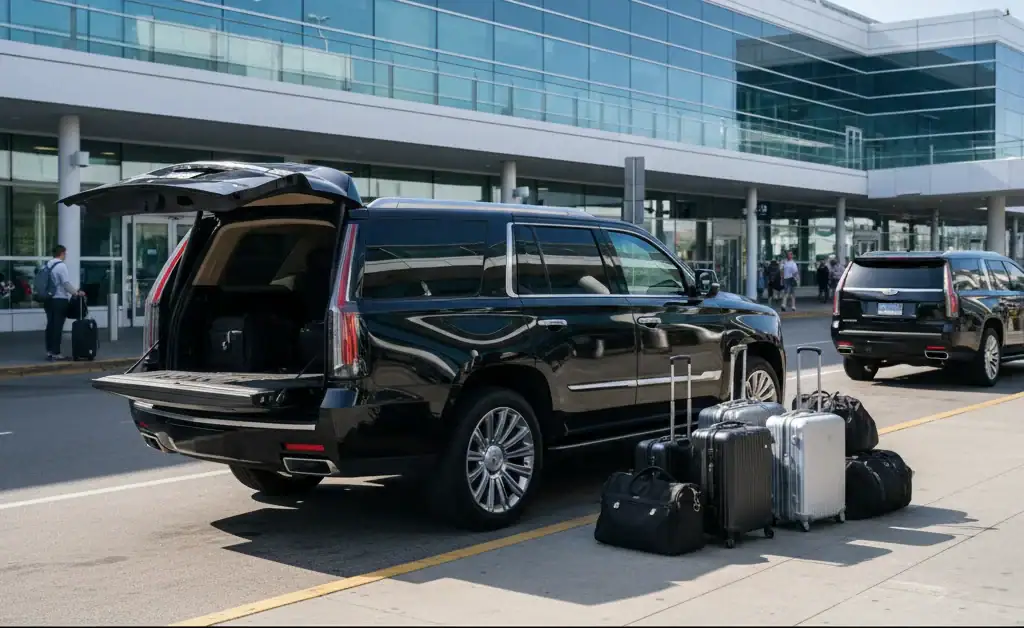
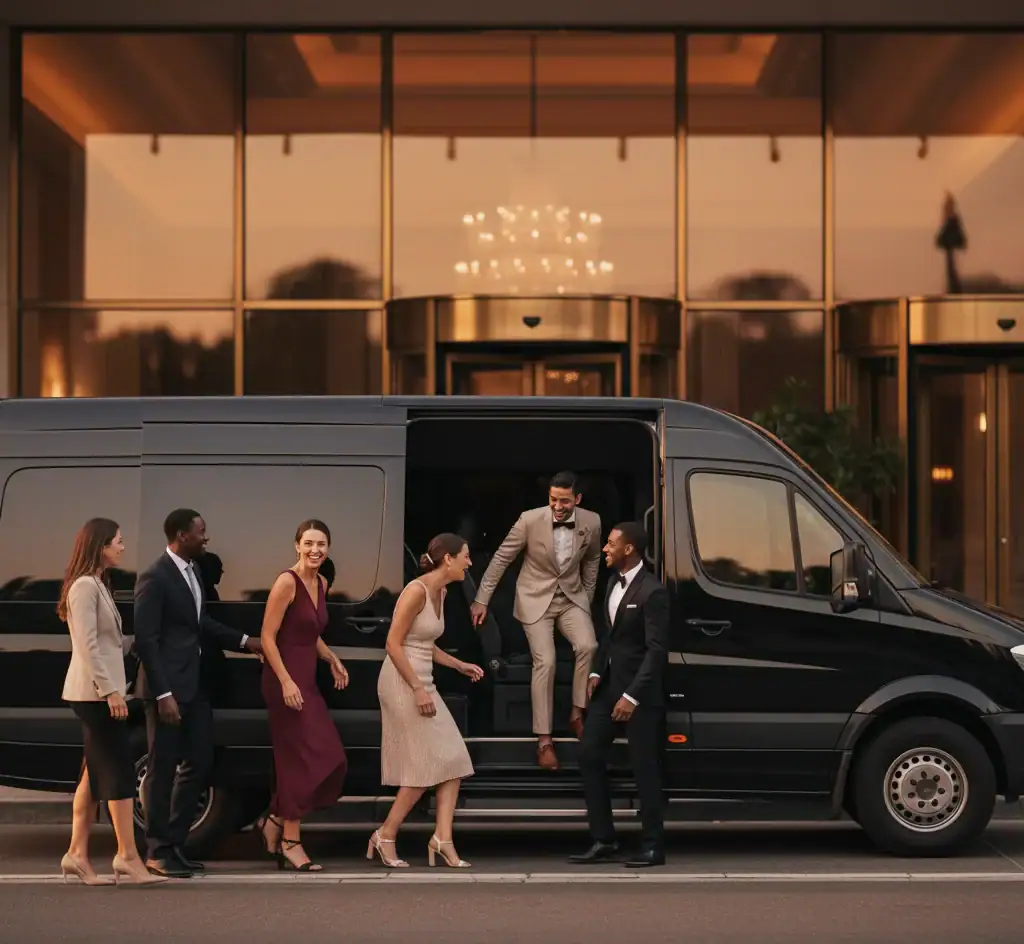
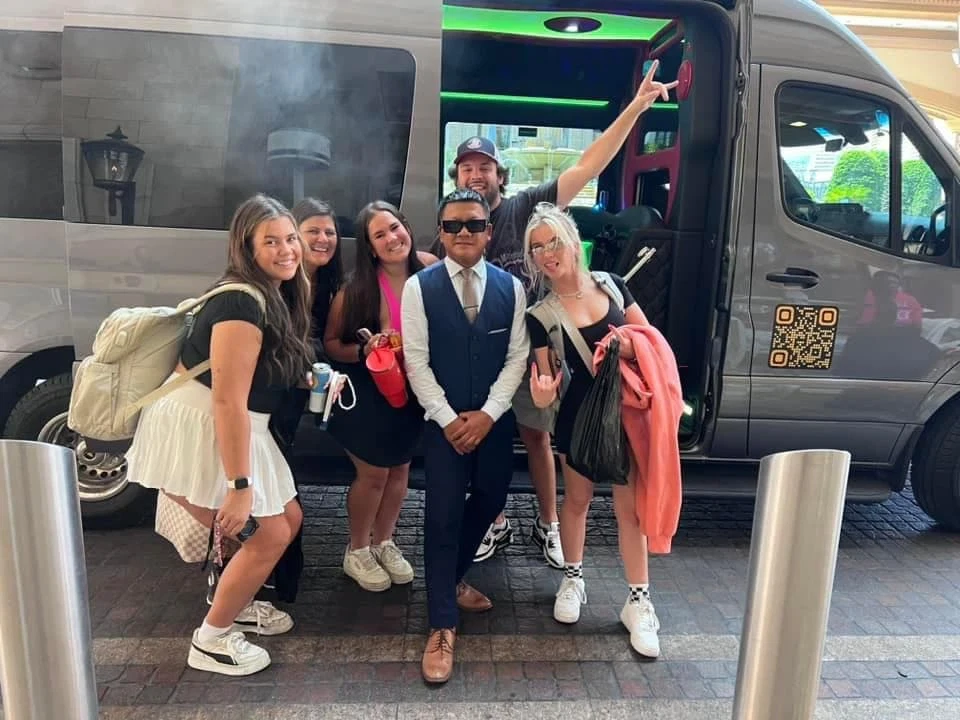
Think about vehicle types too. Your bridal party might fit in an SUV or Sprinter van. Guest shuttles need larger capacity. If you’re providing airport transportation for out-of-town guests, that’s a separate coordination piece. The clearer you are about your actual needs before you start booking, the more accurate your quotes will be and the less likely you’ll end up with transportation that doesn’t quite work on the day.
Not all transportation companies operate the same way, and the questions you ask upfront determine whether you’re working with a provider who understands wedding logistics or one who just shows up and drives.
Ask about their experience with weddings specifically. Do they work with wedding planners regularly? Have they serviced your venue before? Wedding transportation is different from airport runs or corporate events—timing is tighter, coordination is more complex, and there’s zero room for the driver to be unfamiliar with where they’re going. You want a company that knows Mercer County venues, understands Route 1 traffic patterns, and has backup plans when things shift.
Get clarity on pricing structure. Is it hourly? Flat rate? What’s included—tolls, gratuity, fuel surcharges? Are there overtime charges if your timeline runs long, and what’s that rate? Some companies require a minimum number of hours. Others charge differently for peak weekend dates. You need to know the total cost, not just the base quote. Fixed, transparent pricing means you’re not dealing with surprise charges after your wedding.
Ask about their communication process. Who’s your point of contact? How do they handle day-of coordination? Do drivers communicate directly with your wedding planner or coordinator? What happens if there’s a delay or route change? The best transportation providers integrate into your vendor team—they show up in your timeline, they confirm details in advance, and they adjust without creating stress on your wedding day.
Finally, confirm vehicle details. What’s the actual capacity? Can you see photos of the specific vehicles, not just stock images? What’s the backup plan if a vehicle has a mechanical issue the day of your wedding? Professional companies have contingency plans. You want to work with a provider who’s thought through what happens when things don’t go perfectly.
Want live answers?
Connect with a Jersey Car & Limo expert for fast, friendly support.
Your wedding timeline and your transportation schedule aren’t separate things. They’re the same thing. If your timeline doesn’t account for realistic travel times, buffer windows, and coordination points, your whole day starts running behind before you even get to the ceremony.
Start by working backward from your ceremony time. If you’re getting married at 4 PM and it takes 25 minutes to drive from your getting-ready location to the venue, you don’t leave at 3:35. You leave at 3:00—maybe earlier. You need time for everyone to actually get into the vehicle, potential traffic delays, and arriving early enough that you’re not rushing. Industry standard is adding 15-30 minutes of buffer time for each major transportation segment.
Then map out every transition. Bridal party from hotel to ceremony. Couple and wedding party from ceremony to photo location. Guests from ceremony to reception if they’re at different venues. Each of these needs a realistic time window that accounts for loading, driving, and unloading. If you’re doing photos at multiple locations, your transportation provider needs to know the route and timing for each stop.

Your transportation provider doesn’t work in isolation. We need to coordinate with your photographer, your venue coordinator, your wedding planner, and sometimes your caterer. When these vendors aren’t communicating, you get timing conflicts that create stress on your wedding day.
Share your detailed timeline with us well in advance—at least two weeks before the wedding. That timeline should include every pickup location with full addresses, every stop, estimated arrival times, and contact information for your wedding planner or day-of coordinator. We’ll confirm receipt of this information and our ability to meet the schedule.
Your wedding planner or coordinator should be the central communication point on the day of your wedding. They’re the ones who know if photos are running long, if the ceremony start time is shifting, or if there’s a weather delay. We need direct contact with this person so we can adjust in real time without you having to manage it. We work with wedding planners regularly and understand that flexibility matters.
If you’re providing guest shuttles, we’ll coordinate the schedule with your venue. Some venues have specific times when vehicles can access the property. Others have designated loading areas. Your venue coordinator and we need to talk through these logistics before your wedding day. The same goes for your photographer—if you want photos of the bridal party arriving in the limo, your photographer needs to know when and where that’s happening so they’re positioned to capture it.
Create a vendor contact sheet that includes names, contact information, and roles for everyone involved in your wedding day. Share this with us. If something changes or an issue comes up, we know exactly who to call. This kind of preparation is what separates smooth wedding day logistics from last-minute scrambling.
Summer in New Jersey means beautiful weather—and also pop-up thunderstorms, heat waves, and humidity that can shift your plans in minutes. If you’re planning an outdoor ceremony or any part of your wedding outside, your transportation planning needs to account for weather scenarios.
Start with your venue’s weather backup plan. Do they have an indoor option? A tent? How quickly can they transition if weather turns? Your transportation timing might need to adjust based on these contingencies. If your outdoor ceremony moves inside to a different part of the property, does that change where vehicles drop off the bridal party? Where guests park or get shuttled?
Talk to us about weather monitoring and communication. We track weather on wedding days and adjust routes or timing if needed. If there’s a severe weather warning, we’ll be communicating with your wedding planner about potential delays or safety concerns. Summer thunderstorms can create traffic delays, flooding on certain routes, or situations where it’s safer to wait 20 minutes than to drive through heavy rain.
Heat is another factor. If your ceremony is outdoors in July and guests are being shuttled from hotels, air-conditioned vehicles aren’t just nice—they’re necessary for guest comfort. Same with timing. If you’re doing outdoor photos in peak afternoon heat, your photographer and we need to coordinate on timing and locations that won’t leave your bridal party standing in direct sun for extended periods.
Have a communication plan for guests if weather causes schedule changes. If your ceremony time shifts or shuttle pickup times need to adjust, how are you notifying guests? Some couples use wedding apps or group texts. Others designate someone to post updates at hotel pickup locations. We’ll be part of this communication loop so we’re adjusting our schedule in sync with your overall plan.
The goal isn’t to stress about weather—it’s to have a plan so that when weather doesn’t cooperate, you’re not figuring out logistics in real time on your wedding day.
Wedding transportation isn’t complicated, but it does require planning ahead and thinking through logistics that might not seem obvious until you’re in the middle of your wedding day. Book early enough to get the vehicles you actually want. Build a realistic timeline that accounts for travel, buffer time, and coordination with your other vendors. Have a weather backup plan. Communicate clearly with your transportation provider about your specific needs and schedule.
The couples who have smooth wedding day transportation aren’t lucky—they’re the ones who treated it as a real planning priority instead of an afterthought. When everyone shows up where they need to be, on time, without stress, you get to actually enjoy your day instead of managing logistics.
If you’re planning a summer wedding in Mercer County and need transportation that understands local venues, timing, and coordination, we work with couples throughout the area to handle the logistics so you don’t have to.
Article details:
Share:
Continue learning: